Brat Etsy Shop Branding: Logo, Banner, Colors and Listing Photos
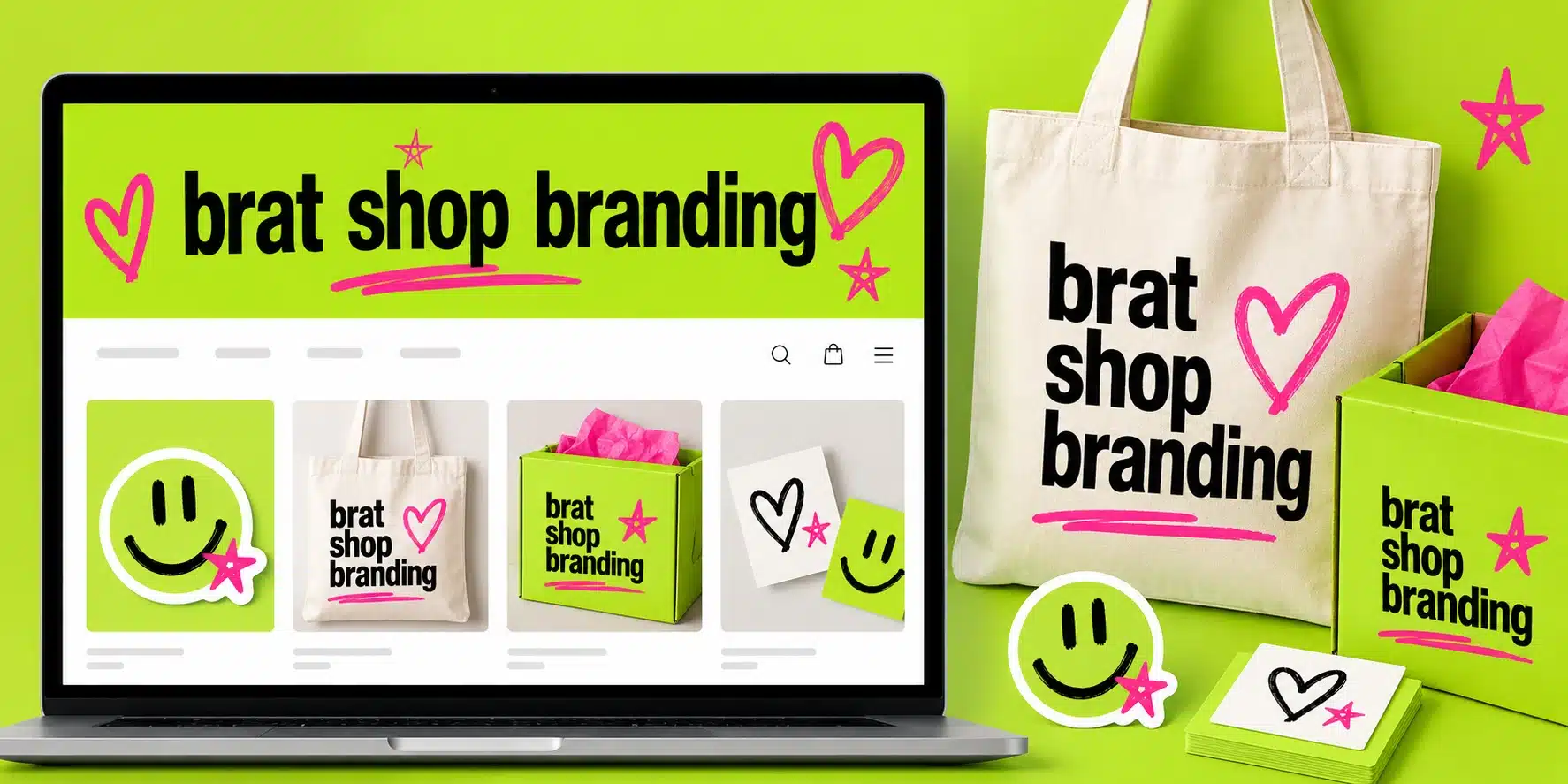
Shop branding is the visual layer of a small business: colors, logo, banner and a consistent photo style. This guide shows how to build a cohesive identity using the free Brat Text Generator for simple assets, without implying any affiliation with an artist or label.
Decide what the brand is
Write one sentence: who you sell to, what you make and how it should feel. For example, “bold text gifts for friends, playful and bright”. Every choice below should fit that sentence.
Core assets
| Asset | Typical use | How to make it |
|---|---|---|
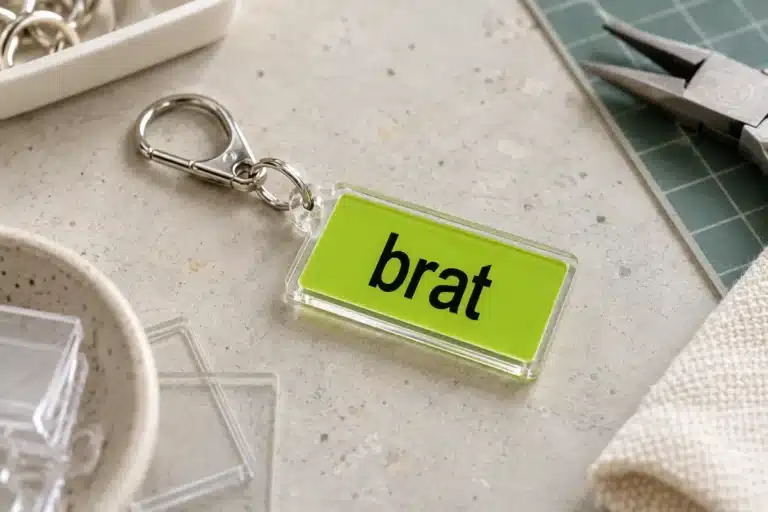
| Shop icon | Small square avatar | Short word in the generator, square preset |
| Banner | Top of the shop page | Wide image with a short tagline |
| Listing photo template | Consistent look | Same background and light |
| Packaging sticker | Branding in the parcel | Print a small tag |
Check each platform’s current image dimensions in its help center, because they change.
Colors
Pick two main colors and one neutral. Record the hex codes and use them everywhere. The colors guide lists contrast ratios so text stays readable on banners and tags.
Type and text
Use one bold style for headlines and a plain font for body text. Keep taglines short.
Listing photos
Photograph in natural light against a plain background. Show the item in use as well as flat. Add one close-up of the print quality.
Shop policies
Branding also includes trust: clear shipping times, returns and a short About section with a real name and a photo if you are comfortable.
Avoid brand confusion
Do not use another artist’s name, logo or album art, and do not claim an official connection. See the merch hub.
Brand kit
Write down your colors, fonts, logo sizes and spacing in one page. The brand kit guide has a template.
Checking the brand in three places
Open your shop on desktop and mobile and check the banner, logo and listing images. If any of them looks different in tone or colour, change it to match. Check that your shop policies and about section use the same name and voice.
Customer experience
Include a thank-you note and care instructions in each package. A consistent experience encourages reviews and repeat orders.
First-month plan for a new shop
Week one: choose name, colours and ten products. Week two: photograph and list them. Week three: share the shop in a few communities where self-promotion is allowed. Week four: review views, favourites and orders, then improve the weakest listing photos.
Records worth keeping
Keep a simple sheet of costs, sales and fees so you know your real profit. It also helps at tax time, where the rules depend on your country.
A worked example: a stationery shop identity
A new stationery shop chooses two colors, lime and black, plus white as a neutral. The shop icon is the word “ink” in the generator. The banner says “notebooks, pens, small joys”. Listing photos use a plain white background with soft window light. Packaging has a lime sticker with the shop name. A customer who receives the parcel and later sees the shop icon recognizes it instantly.
Brand consistency checklist
| Asset | Matches palette | Matches tone |
|---|---|---|
| Icon | Yes | Yes |
| Banner | Yes | Yes |
| Photos | Yes | Yes |
| Packaging | Yes | Yes |
Common mistakes
- Too many colors.
- Mixed photo styles.
- A banner with too much text.
- Inconsistent shop name spelling.
What a consistent small shop brand needs
A reliable brand on a marketplace is made of repeatable details: one colour pair, one headline style, a consistent logo placement on listing images and a short, honest shop description. Choose the settings once in the generator, save them, and reuse them so every listing looks like it comes from the same place.
Listing images that sell
Buyers scan thumbnails, so the first image should show the product clearly with at most three words of text. Later images can show scale, materials and packaging. Avoid claiming things you cannot prove, and describe colour variation honestly.
Staying on the right side of marketplace rules
Marketplace policies, fees and rules about handmade or original items change, so read the current seller policy before you list anything. Make sure you have the right to sell every design, and keep artist names and album titles out of listings.
Naming and positioning your shop
Choose a name that is easy to spell and say, check that it is not already in use by another business and confirm a matching handle is available. State in one sentence what you sell and who it is for. This helps people understand your shop quickly and helps search tools match you with the right searches.
Shop policies in practice
Write clear policies for shipping, returns and custom orders. Honest, simple policies reduce misunderstandings and build trust.
Photographing your products consistently
Use the same background, lighting and angle for every product photo. A white sheet near a window works well. Take one wide shot, one close-up and one in-use shot. Edit all photos with the same crop and brightness so your shop looks uniform. Consistency looks professional and builds trust, even if your equipment is simple. Save the original photos so you can recrop them later for new platforms.
Photographing your products consistently in practice
Use the same background, lighting and angle for every product photo. A white sheet near a window works well. Take one wide shot, one close-up and one in-use shot, then edit all photos with the same crop and brightness so your shop looks uniform. Consistency looks professional and builds trust, even with simple equipment. Save the original photos so you can recrop them later for new platforms, and keep notes on the settings you used so you can match them in the next shoot.
Frequently asked questions
Do I need a logo?
A simple word mark from the generator is enough to start.
How often should I update branding?
Rarely; consistency builds recognition. For the shop setup itself, see the Etsy shop guide.
Should I trademark my shop name?
Consider checking for conflicts and, if the business grows, getting professional advice.
How do I write the About section?
Tell customers who you are, what you make and why in a few honest sentences.
How many listings should a new shop start with?
Ten well-photographed listings usually teach you more than fifty rushed ones.
Do I need a registered business to sell?
Requirements depend on your country, so check local rules or ask a professional.
Brat Generator is an independent tool and is not affiliated with, endorsed by, or sponsored by Charli XCX, her record label, or any related brand. Any album or trademark names are mentioned only to describe a visual style.