Brat-Style Merch Ideas: What You Can Make and What to Avoid Copying
Merchandise is where a style becomes a legal question. A bold lowercase text design is just a design approach, but a design that copies an artist’s name, logo, album art or lyrics can infringe trademark or copyright. This hub lists practical product ideas made with the free Brat Text Generator and explains how to keep them original.
What is safe, what is risky
| Element | Generally safer | Risky |
|---|---|---|
| Wording | Your own words, names, jokes | Song lyrics, artist names, album titles |
| Colors | A lime green or any color | Copying an exact cover layout |
| Typography | A bold sans-serif | A font you have no license for |
| Logos | Your own | Anyone else’s logo or mascot |
| Claims | “Inspired by the bold-text look” | “Official”, “licensed”, “authentic” |
This is general information, not legal advice. If you plan to sell at scale, ask a qualified professional.
Product ideas and where to read more
- Stationery and paper: bookmarks, scrapbook pages.
- Accessories: acrylic keychains, phone cases.
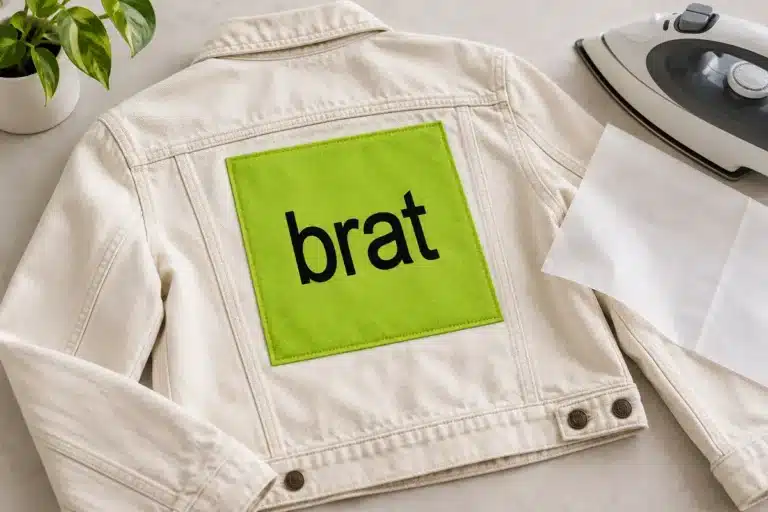
- Textiles: tote bags, iron-on patches.
- Stickers and decals: sticker guide, car decals.
- Selling online: print-on-demand workflow, Etsy shop setup, shop branding.
Making designs original
- Write your own phrase. A name, inside joke or short mood word is more personal and safer.
- Choose your own colors from the colors guide and avoid copying a known layout.
- Add a distinguishing element, such as a small icon of your own.
- Describe the product honestly. Do not imply a connection with any artist or label.
Costs and margins
Before selling, add up materials, platform fees, shipping and your time. Many beginners underprice because they forget fees. Test one product in small batches before making stock.
Quality checks
- Order a sample from your supplier.
- Check color on the actual material.
- Test durability: wash, rub and sunlight.
- Photograph in natural light.
Pricing small-batch items
Add the cost of materials, your time, fees and shipping, then add a margin. If a sticker sheet costs about two dollars in paper, ink and packaging, pricing it at a few times that covers fees and time. Compare with similar items so the price feels fair.
Keeping variety manageable
Offer three or four designs, not twenty. A tight range is easier to stock, photograph and describe.
From idea to first sale
Pick one product, make three samples, photograph them, list them and tell a few people. Track the first ten orders, collect feedback and improve one thing before making more.
Legal basics
Selling rules vary by location. Check local requirements for small sellers and keep records of income and expenses.
A worked example: a small first collection
A beginner chooses three products: a tote, a bookmark set and a sticker sheet. Each uses one original phrase, “slow day”, in black on lime. She orders one sample of each, compares quality, decides the tote needs thicker fabric, and adjusts. The bookmark and stickers pass. She lists them with honest descriptions and no mention of any artist or brand. The first month brings a few sales and useful feedback.
Launch checklist
| Item | Done |
|---|---|
| Wording is original | |
| Samples tested | |
| Pricing covers fees | |
| Photos taken in natural light | |
| Policies written |
When to expand
Expand when a product sells steadily and customers ask for variations. Avoid adding products just to fill a catalog.
Picking one product to test
Choose the simplest product, such as a sticker sheet, and make a small batch. Count real costs: paper, ink, cutting, packaging and postage. Selling a few to friends or a small online audience tells you whether anyone wants more before you invest in stock.
Keeping the product original
Use your own wording in the generator rather than album titles or artist names, and avoid logos. That protects you from takedowns and keeps your shop clearly independent.
Reordering and tracking
Keep a note of what sold, what was returned and what customers asked for. Reorder the winners and drop the rest.
What kind of merchandise is realistic
Small sellers do best with products that are cheap to make, easy to store and simple to post: stickers, bookmarks, posters and tote bags. Larger items such as clothing need more stock, sizing and returns handling.
Testing demand
- Make a small batch of one product.
- Offer it to a small audience, such as a mailing list or a community.
- Count how many people ask about it, not only how many buy.
- Collect feedback and refine the design.
- Make a second batch only if the first sells.
Costs to count
Materials, printing, packaging, postage, fees and your time. If a product barely covers materials, raise the price or choose a different product.
Staying original
Use your own wording and designs. Avoid album names, artist names, logos and anything that suggests an affiliation.
Packaging and presentation
Packaging is part of the product. Use clean, simple wrapping, a thank-you card and a label with your shop name. For stickers, a stiff envelope prevents bending, and for bags, a paper band keeps the folded bag tidy.
Repeat customers
Include a note about where to find you online and invite feedback. Reply to every message politely.
Frequently asked questions
Can I use the word “brat” on a product?
It is a common English word, but combining it with an artist’s branding can cause issues. Keep your design and description independent, and consult a professional for commercial use.
Do I need a license?
Only if you use protected material. Original text in a generic bold style does not.
Is it legal to sell items with common words?
Common words are generally allowed, but combinations tied to a brand can be a problem; consult a professional for commercial use.
How do I price?
Add costs and fees, then a margin that covers your time.
What is the cheapest product to start with?
Stickers and bookmarks need little equipment.
How big should the first batch be?
Twenty to fifty items limits risk while giving real feedback.
Brat Generator is an independent tool and is not affiliated with, endorsed by, or sponsored by Charli XCX, her record label, or any related brand. Any album or trademark names are mentioned only to describe a visual style.